
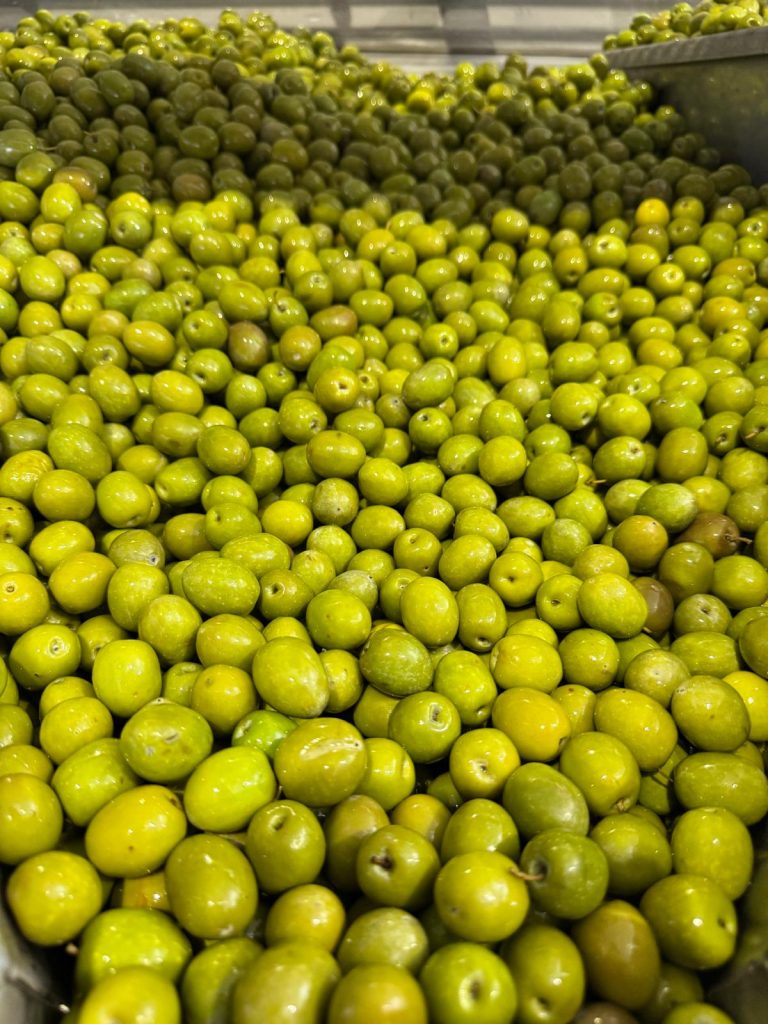
An agricultural year shaped by drought, late rainfall and pest pressure could turn the harvest into a test of the balance between quantity and quality
Behind every bottle of extra virgin olive oil lies an entire agricultural season — from orchard conditions and tree health to harvesting, extraction and storage.
Crete is entering the preparation period for a new olive harvest, and the first estimates for the 2026/2027 season point to a year in which fruit quality and harvesting time will be just as important as overall production volume.
Across Greece, current estimates indicate olive oil production of between 280,000 and 330,000 tonnes, with a scenario of around 300,000 tonnes currently being cited most frequently.
For Crete, one of Greece’s emblematic olive oil-producing regions, the new season comes after months in which weather conditions have put the island’s olive groves to the test. A period of summer drought was followed by significant rainfall on September 15–16, although rainfall levels varied considerably from one area to another: approximately 32 millimetres in Chania, 29 millimetres in Rethymno, 28 millimetres in Lasithi and only 13–14 millimetres in Heraklion, according to SEVITEL, the Association of Greek Standardization Industries of Olive Oil.
“In Crete, a good harvest is not simply about producing a large number of tonnes. It means monitoring every stage: how the olive trees have made it through the summer, how much water they received, how the fruit developed, when the right time to harvest comes and how quickly the olives reach the mill. Ultimately, all of these factors are reflected in the taste and character of the oil,” says Cosmin Filipas, founder of D’Olive.
When the Harvest Is Measured in Quality, Too
In the olive oil industry, volume is not the only indicator of a successful harvest. Harvesting time, fruit condition and processing speed can have a decisive impact on the profile of the resulting oil.
For the 2026 season, pest pressure is one of the factors being closely monitored in Crete. The regional olive fruit fly control program is underway, following weather conditions that have encouraged pest populations to increase in certain areas. Monitoring data has led to the continuation of treatments in several parts of the island, with particular attention being paid to vulnerable olive groves.
In this context, harvesting and processing at the right time become essential to preserving the characteristics of the fruit. For premium extra virgin olive oil, the difference is determined not only by the origin of the olives, but by their entire journey — from the orchard to extraction and, ultimately, to the bottle.
A New Season for Cretan Olive Oil
Across Greece, the new season begins in a different context from the years when olive oil prices reached record levels. Current estimates point to national production of around 300,000 tonnes, while cultivation and harvesting costs continue to put pressure on producers.
For consumers, these developments mean that the story of the new harvest is about more than the price on the shelf.
“For us, every harvest tells a different story about Crete. We are not simply looking to bring to Romania an oil produced in a particular year; we want to preserve as faithfully as possible what that particular year has given us in the olive groves. That is why we closely follow the harvest even before the first olives are picked. Origin, variety, harvesting time and the way the fruit is transformed into oil are all part of the same story,” adds Cosmin Filipas.
In Crete, autumn is not simply a change of season. It is the moment when an entire year of work begins to be transformed into oil. The first batches from the new harvest will reveal in the coming months what the 2026 season has left behind — and how successfully producers have managed to turn the challenges faced in the olive groves into an oil with a distinctive identity.
For D’Olive, the new harvest is, above all, a return to the source: to the olive tree, to the Cretan soil and to the people who know that good olive oil begins long before the bottle reaches the table.